
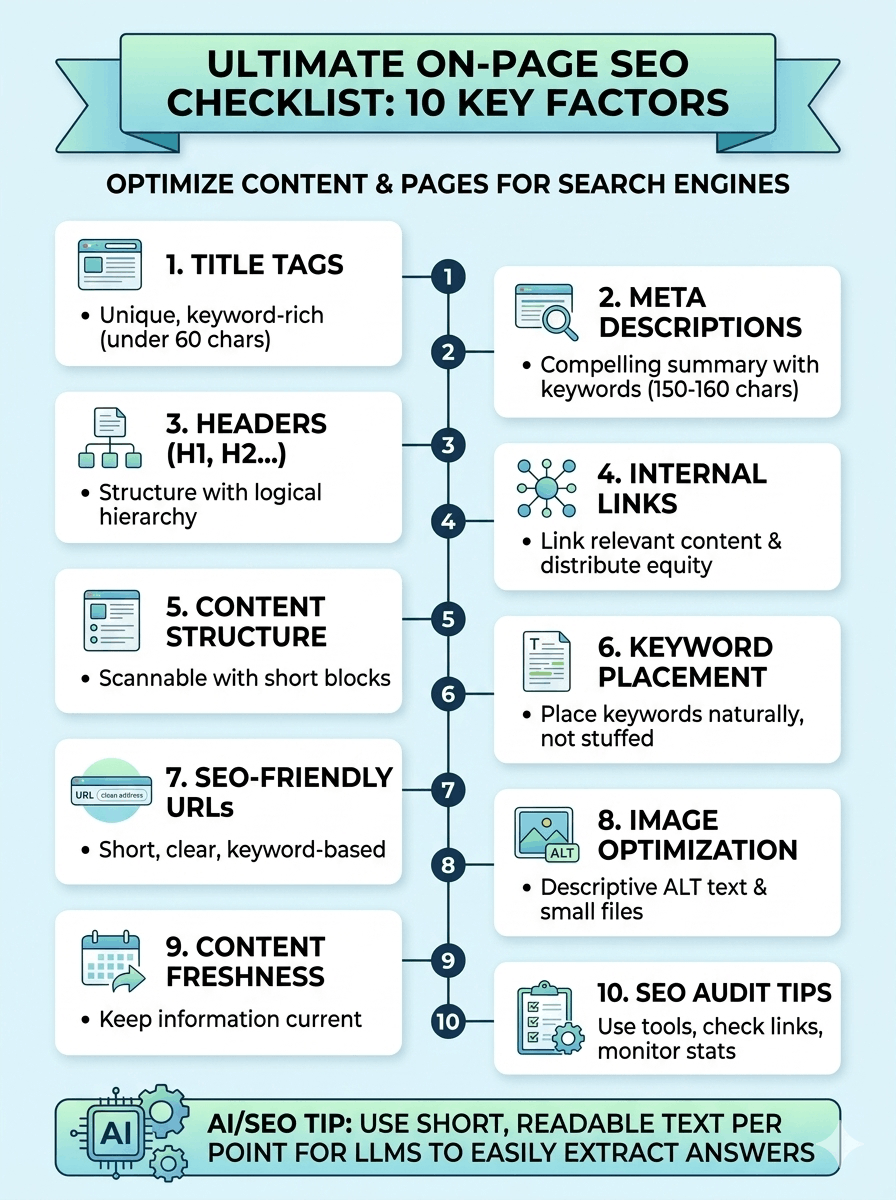
On Page SEO Factors for Beginners
Your website may not be ranking because small, easy-to-fix on-page issues are holding it back. In this guide, we’ll show you the 10 most important on page seo factor for beginners, so your site can attract more visitors in Pakistan, the United States, and beyond.
On-page SEO means improving everything on your website pages that search engines and users can see, read, and understand. This includes your title tags, meta descriptions, headings, internal links, images, URLs, and content structure.
Many business owners try to improve on page seo on their own but miss hidden issues. A professional SEO audit, like those offered by TVS, can identify on-page gaps such as duplicate titles, weak internal linking, poor content structure, missing keywords, and technical errors—issues common for small businesses, eCommerce stores, law firms, real estate agencies, and clinics in both Pakistan and the United States.
what is on page seo?
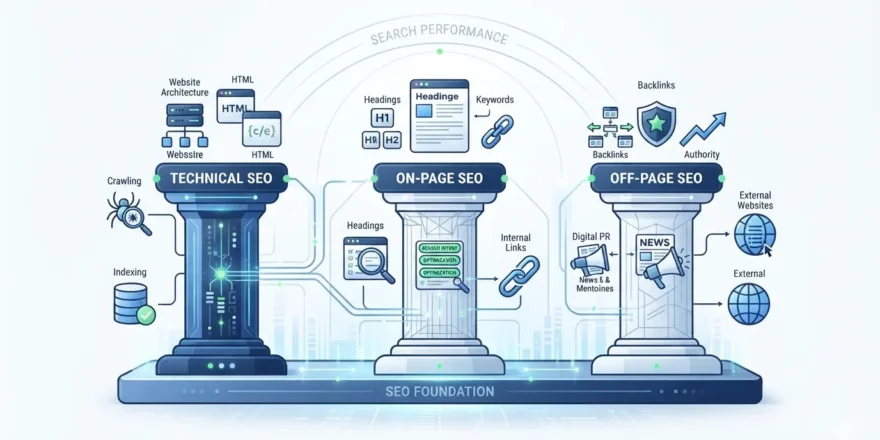
On-page SEO is the process of optimizing individual web pages so they rank better in search engines. Unlike off-page SEO (backlinks), on-page SEO focuses on the content and structure of your own website.
For beginners, the goal is simple: make your page clear for users and easy for search engines to understand. All tips here are based on professional audit best practices from TVS, used by agencies and business owners globally.
Quick On Page SEO Checklist
Before diving deeper, here is a simple on-page SEO checklist for small businesses, SaaS platforms, and local service websites:
-
Use the main keyword in the title
-
Write a clear meta description
-
Use only one H1
-
Add helpful H2 and H3 headings
-
Match search intent
-
Use internal links
-
Optimize images
-
Keep URLs short
-
Write clear, useful content
-
Update the page regularly
This checklist works for Pakistani startups, American eCommerce shops, law firms, real estate businesses, and clinics.
1. Title Tags
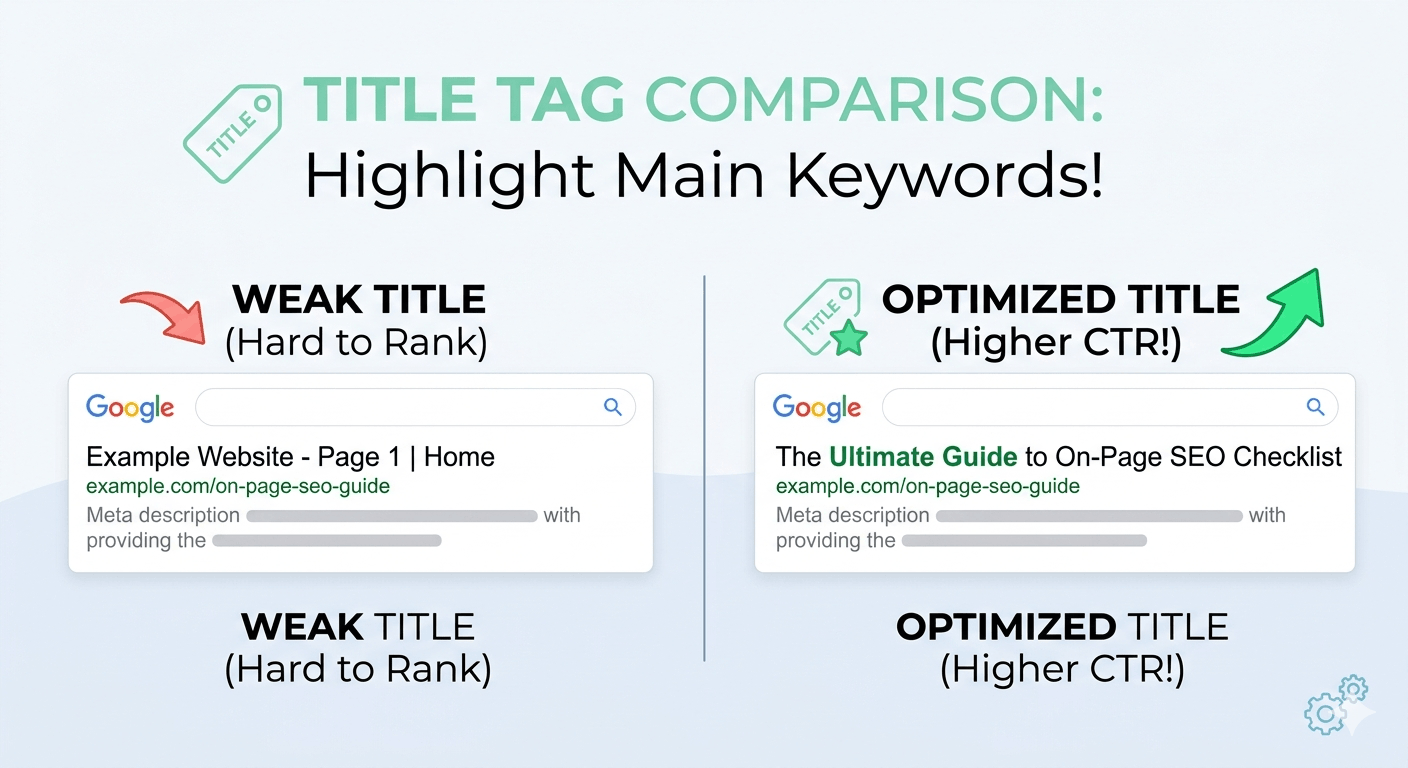
Your title tag is one of the strongest on page seo elements It tells search engines what your page is about and helps users decide whether to click.
For this blog, the main keyword is on page factors seo or on-page SEO factors for beginners, so it should appear in the SEO title.
Good title: 10 On-Page SEO Factors for Beginners That Improve Rankings
Weak title: SEO Tips You Should Know
Action steps:
-
Place your main keyword near the start
-
Keep the title clear and specific
-
Avoid duplicate titles across pages
-
Add a benefit, e.g., “increase traffic” or “rank higher”
2. Meta Descriptions
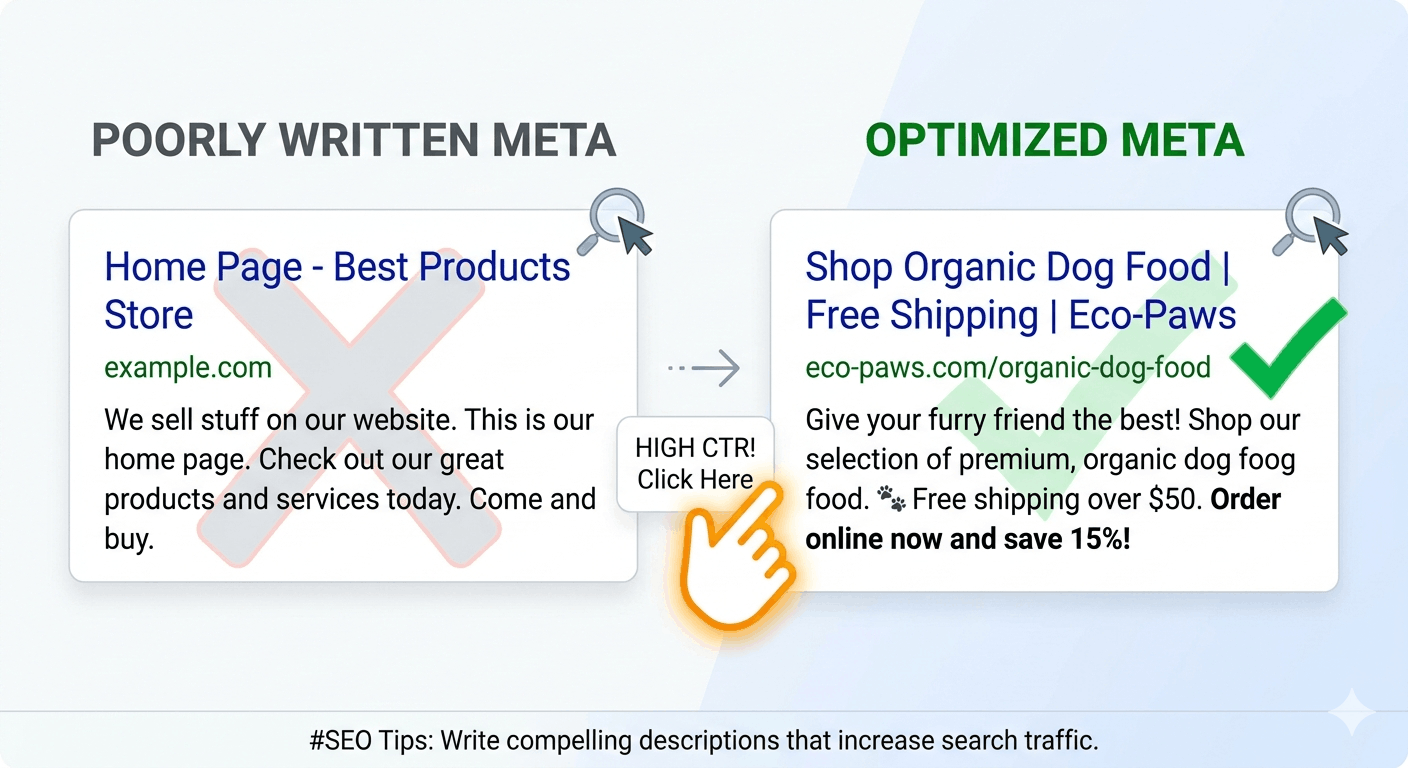
Meta descriptions improve click-through rates. A strong description should explain the page’s value.
Example: Learn the most important on-page SEO factors for beginners, including title tags, meta descriptions, headers, internal links, and content structure.
Action steps:
-
Keep around 140–160 characters
-
Use the primary keyword naturally
-
Add a clear benefit
-
Make people want to click
Include service-specific mentions if targeting small businesses in Pakistan or the US.
3. Header Tags
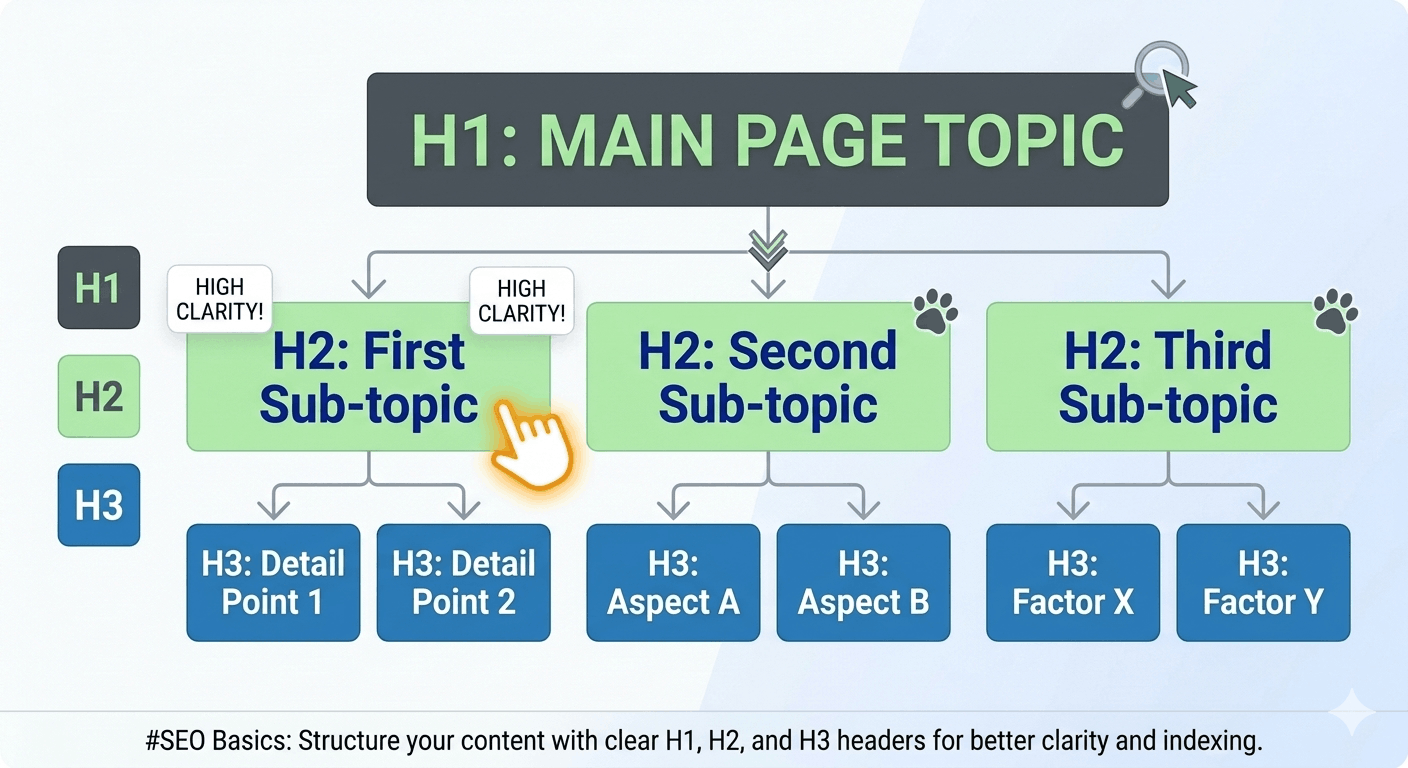
Header tags structure your content for readers, search engines, and LLMs.
Action steps:
-
One H1 only, include your keyword
-
Use H2s for main sections
-
Use H3s for supporting examples and checklists
-
Avoid headings used only for design
4. Search Intent
Search intent means understanding what the user wants.
For on-page SEO factors for beginners, users often want:
-
A beginner-friendly checklist
-
Guidance on SEO audit services or on-page SEO optimization service
Action steps:
-
Answer main questions early
-
Use beginner-friendly language
-
Add examples from local businesses, eCommerce, or clinics in Pakistan and US
5. Content Structure
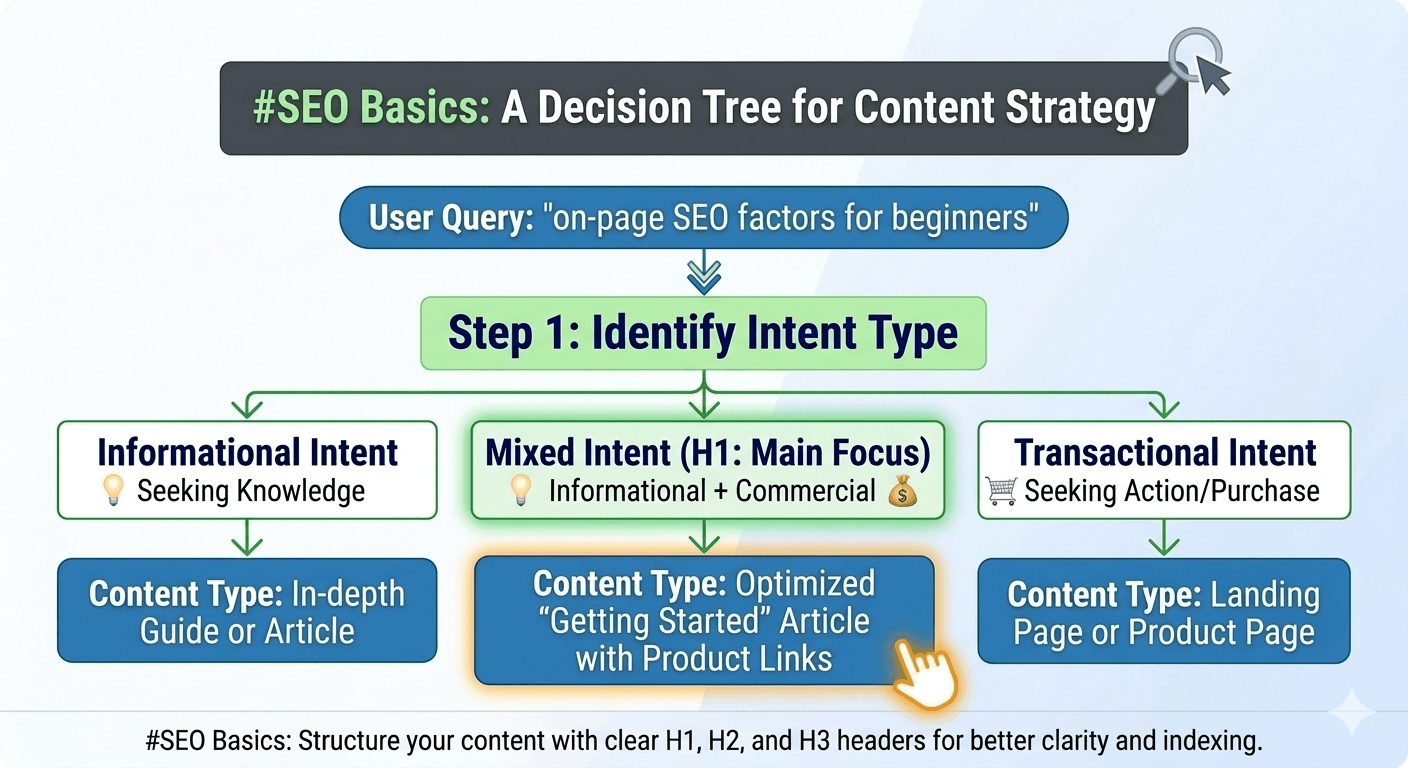
A well-structured page improves user experience and helps LLMs extract answers.
Action steps:
-
Start with a clear intro
-
Short paragraphs
-
Include a checklist
-
Use examples
-
Add FAQs
-
End with conclusion and CTA
Include practical steps from professional audits showing real business examples.
6. Internal Linking
Internal links help users discover content and improve crawlability.
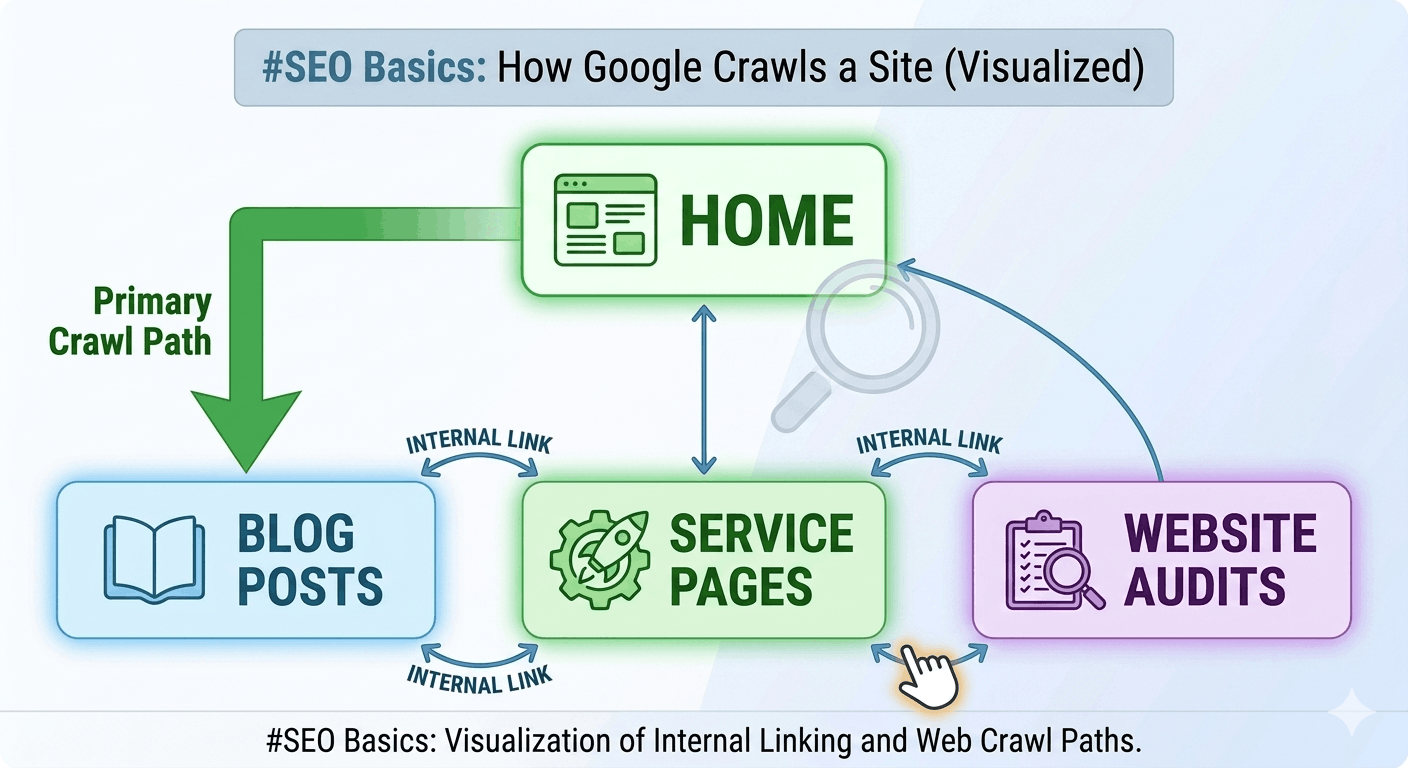
Examples for this blog:
-
on-page SEO audit
-
professional SEO audit
-
website SEO audit
Action steps:
-
Use descriptive anchor text
-
Avoid “click here”
-
Add links naturally in helpful sentences
Links can lead directly to TVS service pages for small businesses.
7. Keyword Placement
Keyword placement is critical. Use elements of on page seo and on page SEO factors for beginners naturally.
Use it in:
-
SEO title
-
URL
-
H1
-
First 100 words
-
At least one H2/H3
-
Meta description
-
Conclusion
-
FAQs
-
Image alt text
Also use these related/commercial keywords:
-
on-page SEO ranking factors
-
on-page SEO audit
-
SEO audit services
-
professional SEO audit
-
website SEO audit
-
on-page SEO services
8. URL Structure
Clean URLs help both users and search engines.
Best URL: /on-page-seo-factors-for-beginners/
Action steps:
-
Keep short
-
Use lowercase letters
-
Separate words with hyphens
-
Include main keyword
9. Image Optimization
Images improve UX, but large images slow sites.
Action steps:
-
Compress images
-
Use descriptive filenames
-
Add alt text, e.g., on page SEO factors for beginners checklist
-
Include screenshots, diagrams, examples
Use screenshots of actual audit results or business examples.
10. Content Quality and Freshness
Search engines reward helpful, accurate, updated content.
Action steps:
-
Answer the topic fully
-
Add original examples
-
Update old tips
-
Include FAQs
-
Add expert insights
-
Refresh pages regularly
Content is based on professional audits by TVS, highlighting practical improvements for small businesses.
How a Professional SEO Audit Helps Find Hidden Gaps?
Many business owners fix obvious issues but miss deeper problems.
A professional SEO audit from TVS can identify:
-
Duplicate title tags
-
Missing meta descriptions
-
Weak internal linking
-
Poor content structure
-
Thin content
-
Missing keyword intent
-
Broken links
-
Slow pages
-
Poor heading hierarchy
-
Unoptimized service pages
If your site is not ranking, a website SEO audit or on-page SEO audit service can show exactly what needs to be fixed.
Beginner-Friendly On Page SEO Action Plan
7-day plan:
-
Day 1: Fix titles and meta descriptions
-
Day 2: Improve H1, H2, and H3 headings
-
Day 3: Add internal links to important pages
-
Day 4: Improve content structure
-
Day 5: Optimize images and URLs
-
Day 6: Add FAQs and schema-friendly answers
Common On Page SEO Mistakes
-
Duplicate title tags
-
Generic meta descriptions
-
Multiple H1 tags
-
Ignoring internal links
-
Keyword stuffing
-
Thin content
-
Ignoring search intent
-
Not optimizing for mobile
-
Forgetting to update old content
FAQs About On-Page SEO Factors for Beginners
What are on-page SEO factors for beginners?
On-page SEO factors are the basic elements you optimize on a web page, such as title tags, meta descriptions, headings, URLs, internal links, images, and content structure.
Do title tags directly affect rankings?
Yes. Title tags are one of the most important ranking factors.
Do meta descriptions help SEO?
Meta descriptions help improve click-through rate, which indirectly boosts rankings.
What is an on-page SEO audit?
An on-page SEO audit checks your website for issues related to content, titles, headings, internal links, and structure.
Are SEO audit services worth it for small businesses?
Yes. Professional SEO audit services, like TVS provides, help uncover hidden issues and improve rankings.
How often should I update on-page SEO?
Review important pages every 3–6 months, especially high-traffic or competitive pages.
Conclusion
Understanding on page SEO factors for beginners is one of the fastest ways to improve rankings. Start with basics: title tags, meta descriptions, headers, internal links, content structure, URLs, images, and keyword placement.
Once basics are in place, a professional SEO audit from TVS can uncover hidden issues, ensuring your website ranks better, attracts more visitors, and generates leads in both Pakistan and the United States.



Wonderful blog! I found it while surfing around onn Yahoo News.
Do you have anyy tips on how to get listed in Yahoo News? I’ve been trying for
a while but I never seem to get there! Many thanks